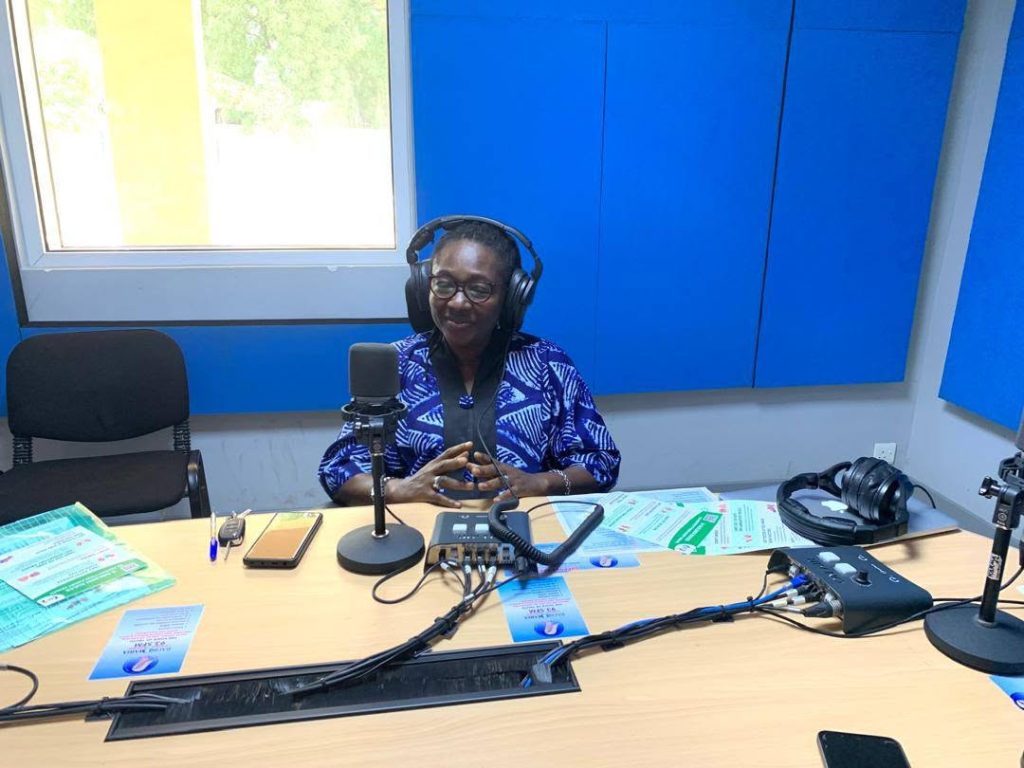
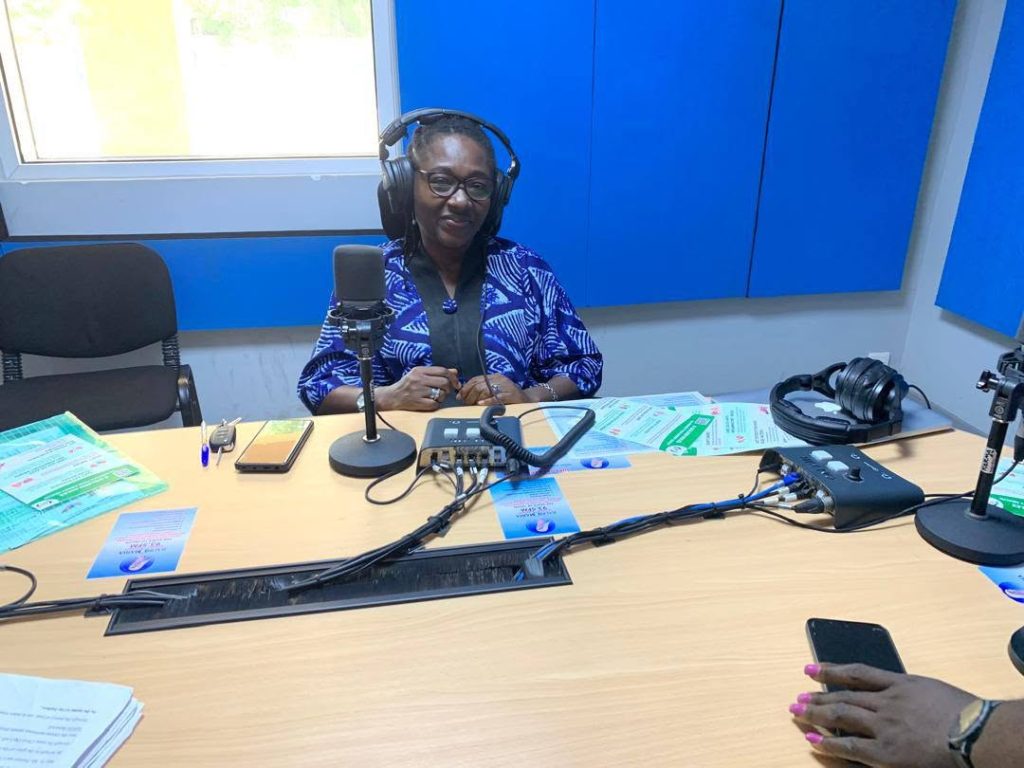
Kidney health education in Igede language reached radio listeners when OWACDO joined Radio Maria to mark World Kidney Day 2026.
The programme explored the theme “Kidney Health for All: Caring for People, Protecting the Planet.” Using a familiar local language helped make the discussion more accessible to listeners who may find technical health information difficult to follow in English.
Why local-language health communication matters
People are more likely to understand and use health information when it is communicated in words and examples that fit their daily lives. Local-language radio can reach homes, workplaces and rural communities at the same time, including listeners who may have limited access to printed materials or in-person sessions.
It also creates a bridge between public-health messages and community conversation. Listeners can discuss what they have heard with family members and are better prepared to ask questions when they visit a qualified health professional.
The Igede-language broadcast helped extend health information to a wider radio audience.
Supporting preventive kidney care awareness
The World Kidney Day discussion encouraged listeners to take kidney health seriously and to seek reliable medical guidance when they have concerns. Preventive awareness is especially valuable because many chronic conditions can develop gradually and may be overlooked until they begin to interfere with daily life.
The broadcast also reinforced the importance of equitable health communication. Age, sex, gender, language or social background should not prevent people from receiving useful information about their wellbeing.
Health information for everyone
The radio appearance aligns with OWACDO’s mission to take practical health sensitisation to diverse communities. By using Igede, the organisation demonstrated that inclusion is not only about who is invited to an activity; it is also about how information is delivered.
OWACDO will continue using community platforms and partnerships to make health education understandable, relevant and respectful of the people it is intended to serve.