
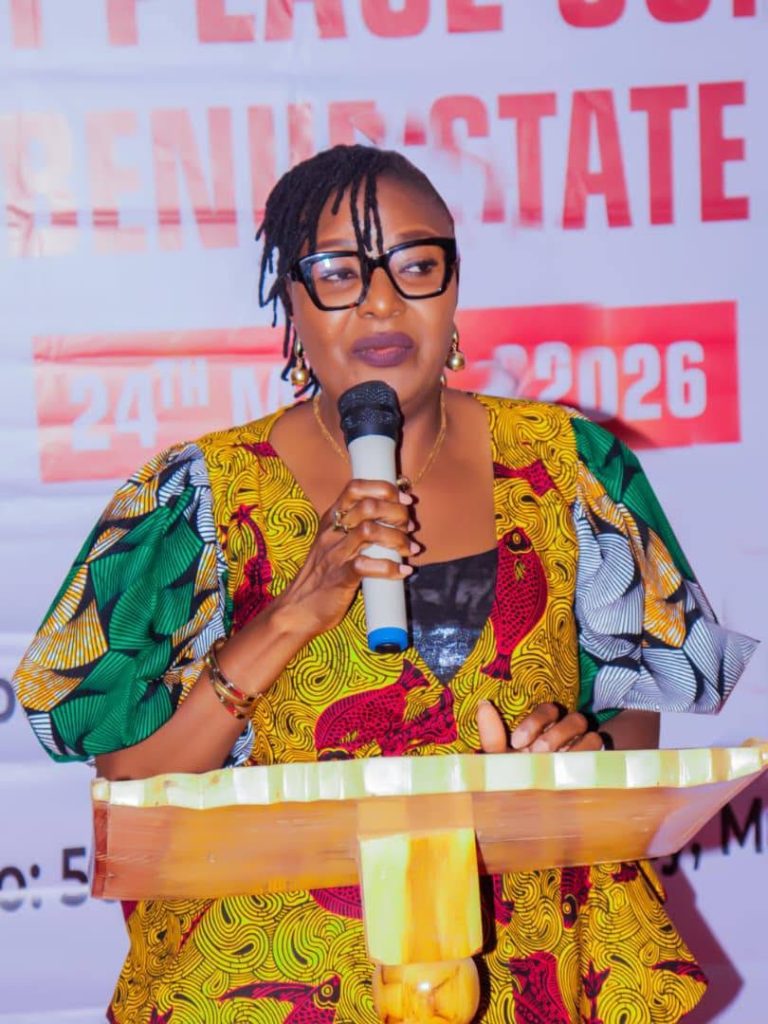
Benue youth peacebuilding gained fresh momentum at a one-day summit held at MT Square, Makurdi, on 24 March 2026 under the theme “Youth-Led Dialogue for Social Cohesion.”
Heal The Youth Foundation convened the event with support from Christian Aid and in collaboration with Ohonyeta Care Givers, CORAFID, OWACDO and the Benue State Government. Young people joined policymakers, development partners, traditional leaders and religious leaders for dialogue on peace and participation.
Creating space for young people to lead
The summit challenged the idea that young people should be passive recipients of peace initiatives. Speakers called on youth to use their voices, accept responsibility and take part in decisions that affect their communities.
Goodwill messages highlighted participation, protection, prevention, partnership, engagement and reintegration as connected elements of youth development and peace. A keynote address by peacebuilding practitioner Dr Nathaniel Msen Igbazua Awuapila examined youth inclusion and collective action against the drivers of conflict.
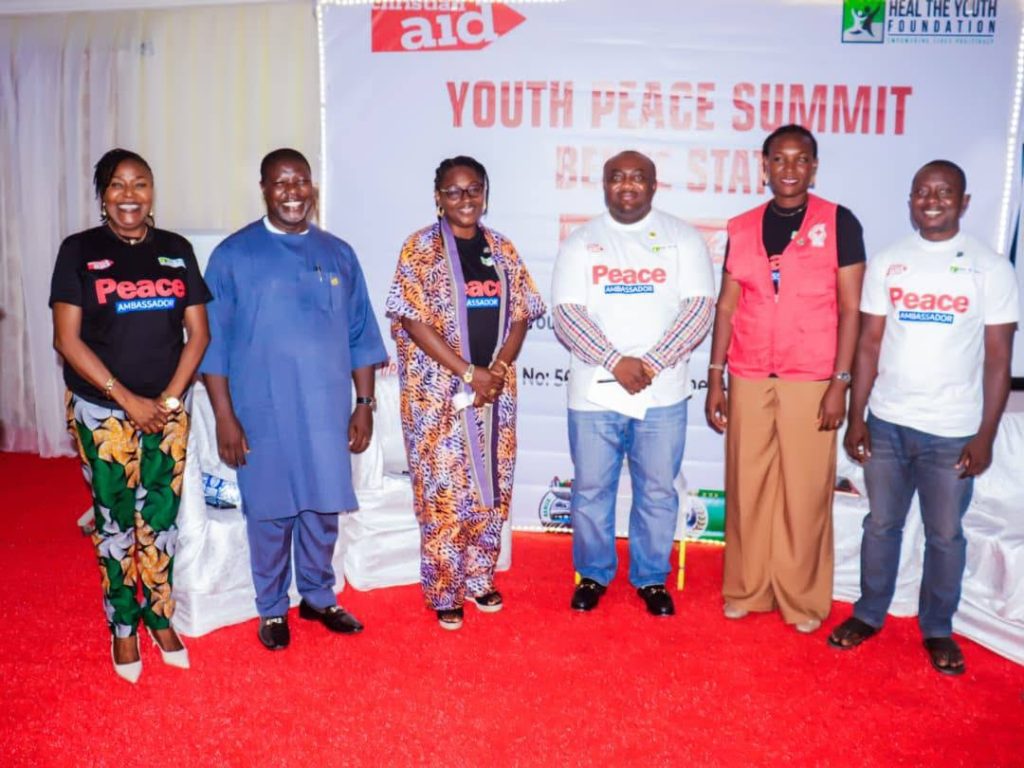
From discussion to community ideas
A peace-panel discussion allowed stakeholders to exchange perspectives on conflict prevention, community engagement and the role of youth in sustaining social cohesion. Breakout sessions used creative expression to help participants imagine and propose practical pathways for a more peaceful Benue.
The programme concluded with a communiqué capturing recommendations and commitments. Recording these outcomes helped turn a broad conversation into points that organisations and participants can carry into future work.
OWACDO’s role in collaborative peacebuilding
OWACDO Programme Manager Queen Oka Ameh moderated the event, while Executive Director Dr Joy Aricha Ijuwo delivered closing remarks. Their participation reflected the organisation’s belief that safe, inclusive communities are essential to the wellbeing of women and children.
The summit strengthened relationships among youth and institutional stakeholders and reinforced a central message: young people are not only affected by conflict; they are also capable partners and leaders in building peace.