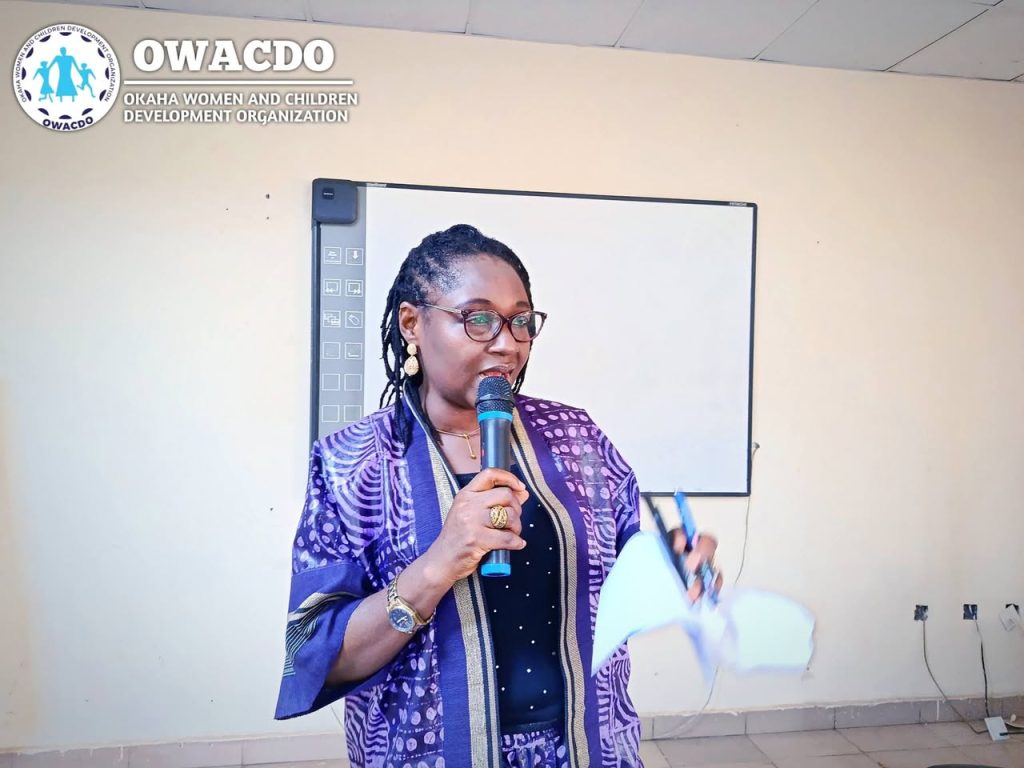
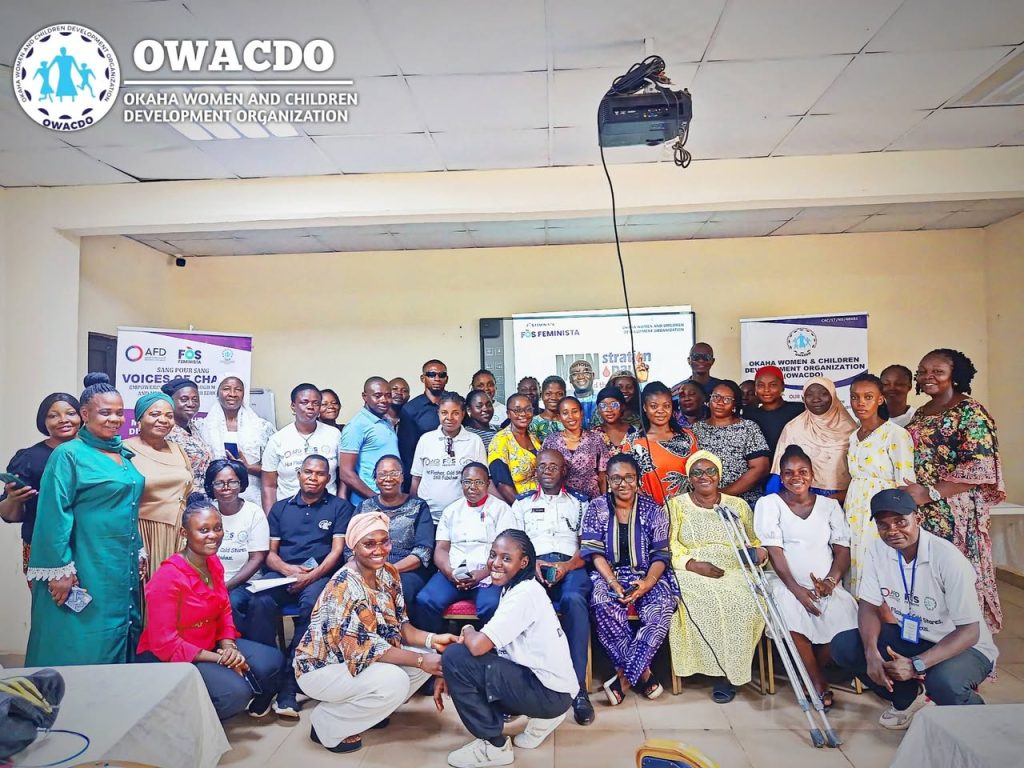
Community field worker safety was the focus of a one-day OWACDO training held in Makurdi on 17 April 2026 for community health workers, staff, volunteers and partner organisations.
Supported through the Fòs Feminista project, the session recognised that effective humanitarian and community work depends on teams being able to identify risks, protect information and respond calmly when conditions change.
Practical skills for complex field environments
The programme covered personal safety, risk mitigation, emergency response, conflict management, digital safety and responsible community engagement. Officers from the Nigeria Police Force and the Nigeria Security and Civil Defence Corps led practical sessions grounded in real operational situations.
Participants compared experiences from the field and considered how preparation, communication and clear escalation procedures can reduce harm. The training reinforced that safety planning should begin before a visit and continue through travel, engagement, documentation and follow-up.
Security agencies helped participants connect safety principles with real field situations.
Digital safety and responsible data handling
A dedicated segment addressed digital safety and data protection. Field teams may handle contact details, case information and sensitive observations, making secure devices, careful sharing and responsible records management essential.
Participants also received a demonstration of the Diva App and discussed its community benefits. Digital tools can support timely information and coordination, but they must be used with attention to privacy, consent and the potential risks faced by vulnerable people.
Strengthening safer humanitarian work
The session improved collaboration between field workers and security agencies while giving participants clearer tools for prevention and response. Safer teams are better able to maintain continuity, protect community trust and deliver services responsibly.
For OWACDO, investing in staff and volunteer preparedness is part of programme accountability. It supports both the people doing the work and the women, children and communities who rely on them.