
Introduction
In the glut of society’s challenges, there exists a certain negativity—a lack of trust—about organizations generally. Especially so if the organization in question is entrusted with funds for the masses. Into this scene enters a self-proclaimed beacon of hope, a force for change, and a catalyst for progress—the Non-Governmental Organizations (NGOs).
But what NGOs really do in Nigeria is still a valid question. Can they be trusted? Is this just another “runs” or hustle in this difficult economy?
So then, this article seeks to clear the air and engage with you—the reader—on these very questions.
What NGOs Really Do
At their core, NGOs are driven by one purpose: to create positive change in society. They operate independently—unbound by government control or profit motives.
To understand what NGOs really do in Nigeria, it’s important to see how diverse they are. Some focus on humanitarian aid or environmental issues. Others work in healthcare, education, or human rights.
Their efforts range from small, grassroots projects to major national and international campaigns. Yet, through it all, they remain committed to one thing: improving lives and building a better society.

It's Not Just Foreign Money
But what exactly do NGOs do? To answer that, we must look at their multifaceted approach to solving real-world problems.
What NGOs really do in Nigeria includes providing essential services—like access to healthcare, clean water, education, and livelihood support—especially in underserved and marginalized communities.
In addition, they advocate for policy reform. They fight for the rights of the disadvantaged and help amplify their voices where it matters most.
They also carry out research, raise awareness, and bring stakeholders together. This collaboration helps address critical challenges, from poverty and inequality to climate change and gender equality.
Real People, Real Challenges
The impact of NGOs goes far beyond boardrooms and conference halls. It resonates on the streets, in homes, and in the hearts of everyday people.
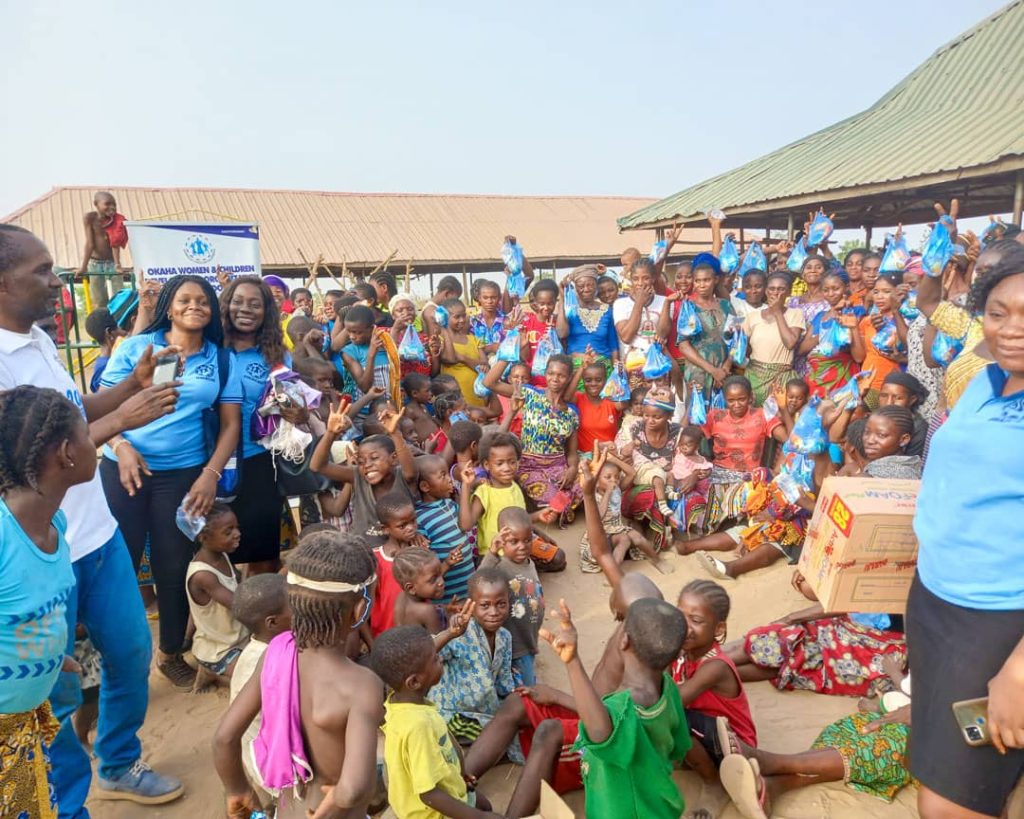
To understand what NGOs really do in Nigeria, look at the lives they touch. Take the rural farmer who receives training and tools from an agricultural NGO. As a result, she improves her crop yields, boosts her income, and feeds her family. Or consider the young girl who, through an education-focused NGO, gains access to quality schooling. That opportunity unlocks a future once out of reach.
In many ways, NGOs provide a safety net for the vulnerable, a lifeline for the oppressed, and a path to empowerment for those left behind.
Accountability and Transparency
However, misconceptions abound, casting doubt on the integrity and effectiveness of NGOs. Some skeptics view them as profit-driven ventures, questioning their transparency and the true impact of their programs.
Yet, the reality of what NGOs really do in Nigeria is far more complex than the caricatures painted by cynics. While NGOs do rely on donor funding, their finances are typically subject to strict oversight. Transparency and accountability remain central to their code of conduct.
Unlike businesses, NGOs are not profit-seeking. Instead, they reinvest their resources into program activities—maximizing social impact and promoting the common good.
In Nigeria, where socio-economic challenges are widespread, NGOs play a critical role in filling the many gaps left by government institutions. And truly, those gaps are numerous.
From delivering humanitarian aid in conflict zones to championing inclusive development in urban slums, NGOs act as catalysts for change. They help drive progress and build resilience—even in the most difficult environments.
Conclusion
In conclusion, NGOs are not just organizations—they are beacons of hope, agents of change, and champions of justice. Through tireless effort, they uplift communities, empower individuals, and help pave the way for a brighter future.
So if you’ve ever wondered what NGOs really do in Nigeria, now you know it goes far beyond the headlines.
Would you like to learn more? Or perhaps volunteer with a local NGO? OWACDO would love to talk. Contact us today.
Would you like to volunteer?
Or you can learn about some of our partners: