Urgent livelihood needs in Benue State remain visible in rural households recovering from recurring violence, displacement and severe economic loss. On 6 May 2026, Okaha Women and Children Development Organization (OWACDO) began community entry in Mbalom Mbatsada, Gwer East Local Government Area; Ochingini, Obi LGA; and Ainu, Oju LGA.
The following day, the team assessed 100 vulnerable residents to guide beneficiary selection and shape an accountable livelihood response. The exercise reached 34 people in Mbalom Mbatsada and 33 each in Ainu and Ochingini.
Listening before acting
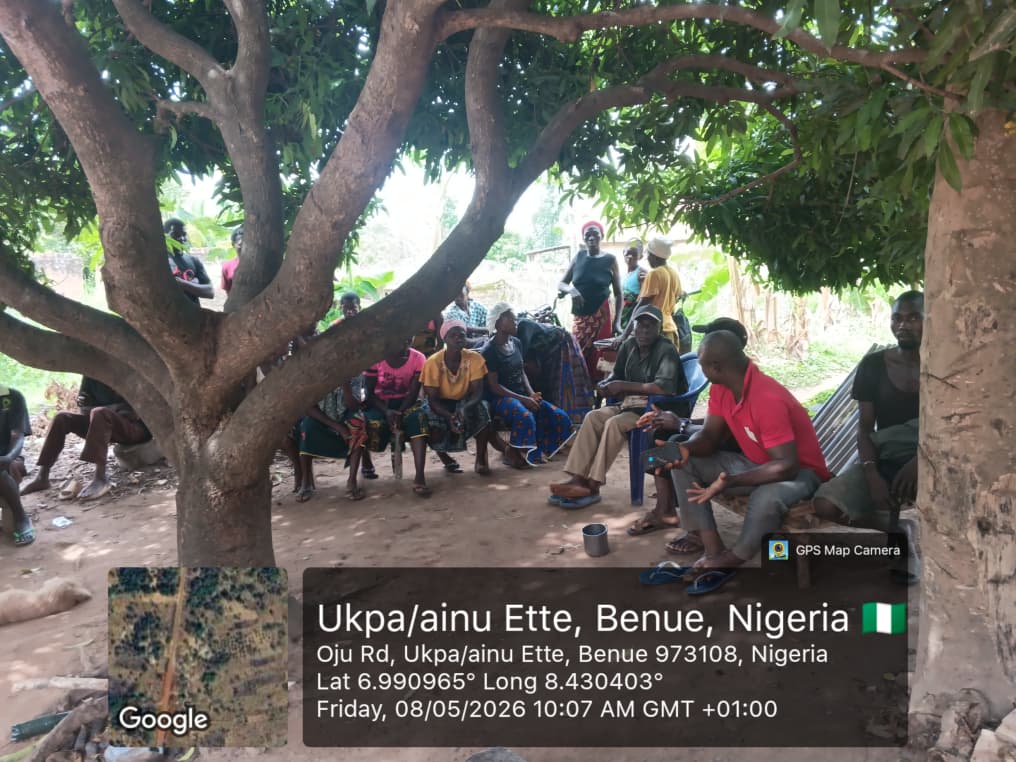
Effective humanitarian action begins with listening. OWACDO combined consultations with community leaders, key-informant interviews, direct observation and household-level discussions. This approach helped the team compare community priorities with conditions visible on the ground.
Residents described lost farmland, damaged homes and businesses, reduced food production and shrinking income opportunities. They also identified widows, women-led households, older people, persons with disabilities and displaced families as groups requiring careful attention.
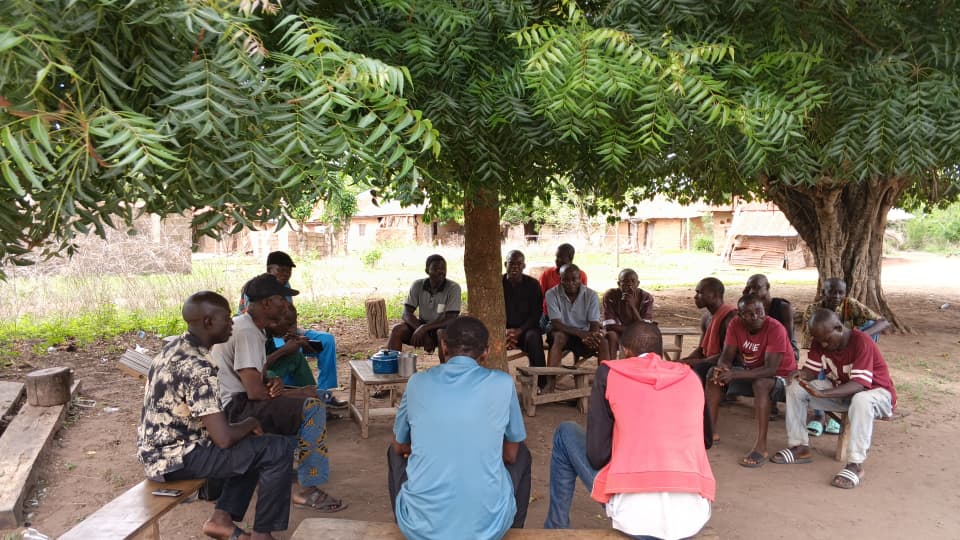
Community consultation helped OWACDO identify priority needs and suitable livelihood support in Ochingini, Obi LGA.
Three communities, different crises, shared economic losses
The three communities have distinct experiences. People in Ainu and Ochingini described recurring communal tensions connected to land boundaries. In Mbalom Mbatsada, residents reported repeated farmer–herder violence, displacement and fear of returning to their farms.
However, the economic effects were strikingly similar. Farms were abandoned or cultivated on a smaller scale. Produce and productive assets were lost. Petty traders struggled to restart, while damage to homes and community infrastructure deepened already serious shelter, water, sanitation and protection concerns.
For households that depend on land and informal trade, insecurity is not only a protection crisis. It removes the tools, income and stability that families need to feed themselves and recover.
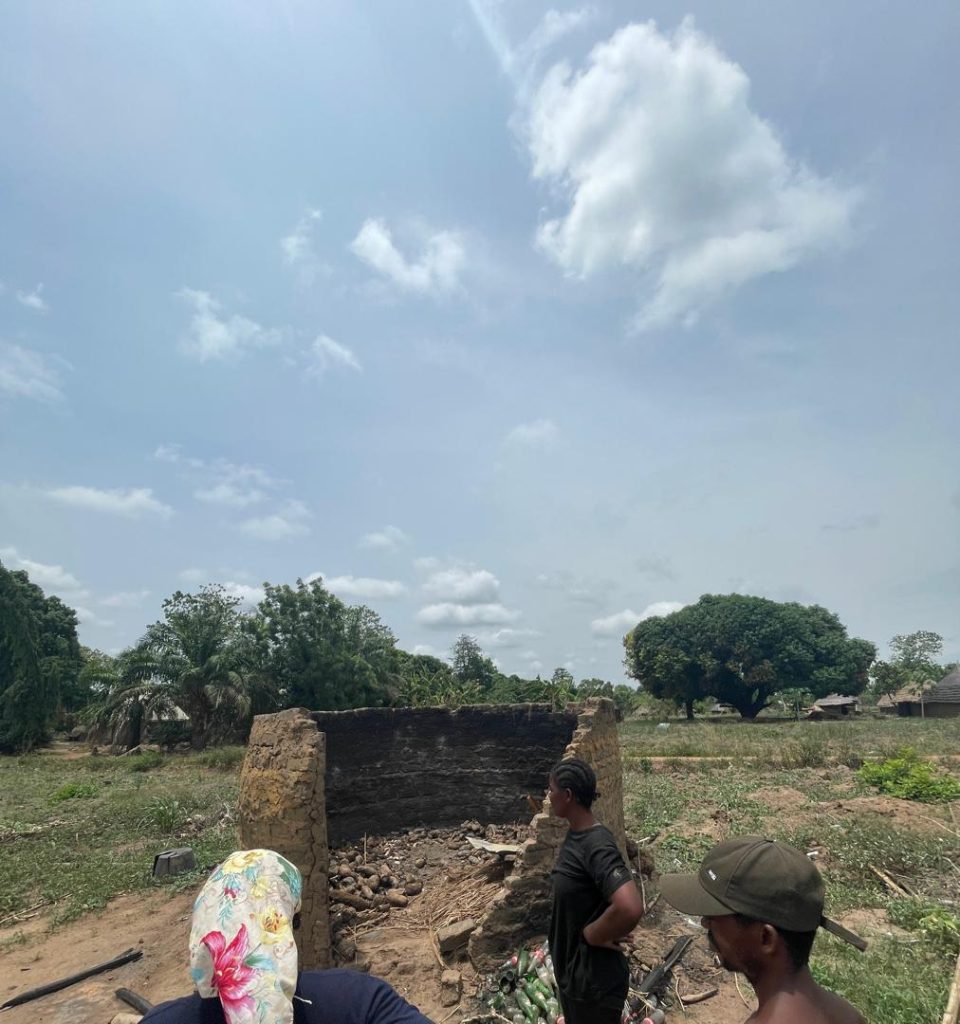
Field observation in Mbalom Mbatsada documented the damage behind household reports of displacement and lost livelihoods.
What the assessment reveals about livelihood needs in Benue State
The assessment shows why recovery support must rebuild earning capacity, not provide relief alone. Agriculture was the primary livelihood for 72% of respondents, while 25% depended on trading or other small businesses. Only 1% was in the civil service, and 2% reported no employment.
78% identified financial assistance as their most urgent need.
17% prioritised shelter support, while 5% prioritised food assistance.
82% said they had never received humanitarian assistance.
79% had functional bank accounts, making accountable electronic transfers feasible for many participants.
The banking figure also points to an inclusion requirement: the 21% without an account will need safe alternative transfer arrangements or financial-inclusion support.
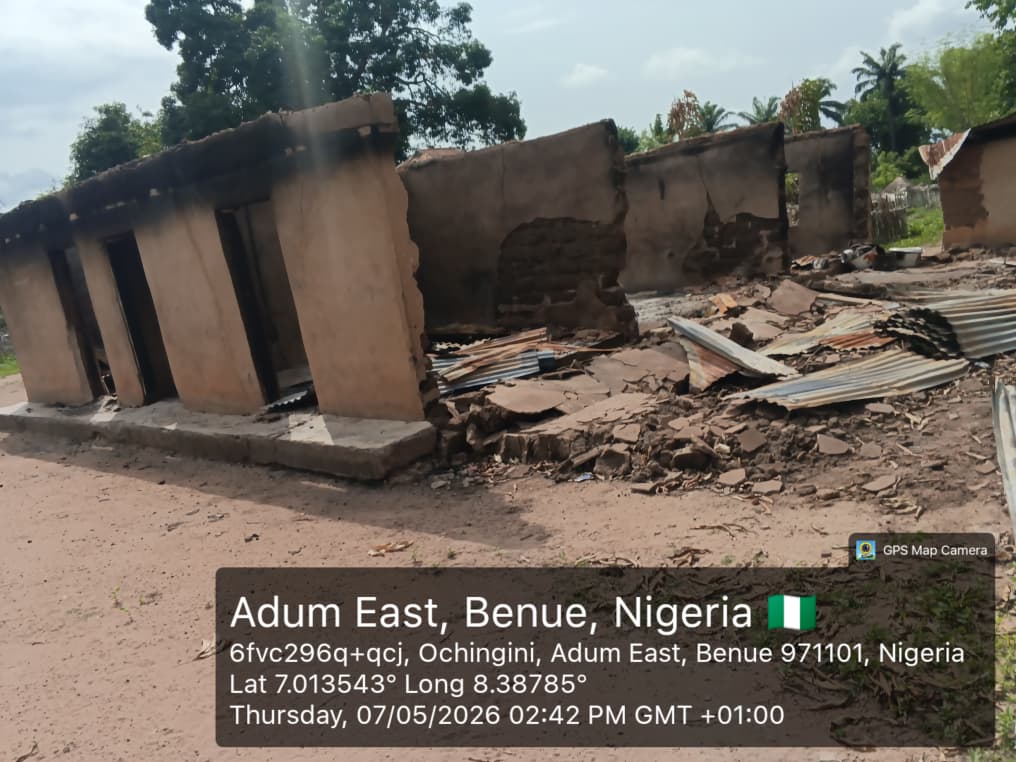
Damaged homes and household assets add shelter costs to the challenge of restoring income and food production.
Women and larger households face deeper pressure
Women made up 77% of those assessed. This reflects both the intervention’s focus and the level of responsibility carried by widows, caregivers and women-led households after crisis and displacement. The marital-status findings included 23% widows and 3% single parents.
Household responsibilities were also substantial. Sixty-two percent of respondents supported families of four to seven people, while 29% lived in households of eight people or more. Four percent of participants were persons with disabilities and may require adapted delivery arrangements.
The crisis has also affected children’s education. Seventy-eight percent of respondents reported that their children were neither engaged in labour nor attending school at the time of assessment. This signals a major need to reconnect household recovery with safe access to education and child protection.
Livelihood restoration is the first recovery step
Respondents consistently preferred assistance that would help them earn, farm and make decisions for their own households. Based on the findings, priority options include:
seeds, fertiliser and basic farming tools;
cash grants and other flexible livelihood support;
vocational skills and small-business recovery assistance; and
measures that enable people to return to farming safely.
Cash-based support is especially promising because most selected participants have bank accounts. Nevertheless, any transfer programme should include strong verification, transparent communication, protection safeguards and accessible options for people outside the banking system.
Recovery must include services, safety and peacebuilding
Livelihood inputs will have limited impact if families remain unsafe or lack essential services. The assessment therefore recommends an integrated response that also addresses emergency food needs, shelter and non-food items, water and sanitation, psychosocial support and protection.
Community members also called for peacebuilding, stronger local security and conditions that allow farmers to use their land without fear. These measures are central to sustainable recovery. They can reduce repeated displacement and protect new investments in farming or small enterprise.
From community evidence to responsible action
OWACDO’s assessment provides a practical baseline for action across Gwer East, Obi and Oju. It identifies who is most vulnerable, how households currently survive and which interventions can produce immediate and longer-term benefits.
The next step is to mobilise resources and partnerships around a transparent, community-led response. With targeted livelihood support, inclusive delivery and coordinated protection measures, crisis-affected households can begin to restore income, improve food security and rebuild their resilience with dignity.