Community social protection in Benue State received a major boost as OWACDO and its partners completed community-entry visits across Tarka, Gwer East, Obi, Ohimini, Apa, Agatu and Ushongo Local Government Areas.
The visits formed part of the European Union Support for Strengthening Social Protection in Nigeria (ESSPIN) project. OWACDO worked alongside ActionAid Nigeria and representatives of the State Operations Coordinating Unit (SOCU) to introduce the project, listen to local stakeholders and prepare communities for effective participation.
Why community entry matters for social protection
Social-protection programmes are more effective when residents understand their purpose and trusted local institutions support the process. The teams therefore met executive and traditional leaders, clergy, women and youth leaders, ward representatives and local desk officers before wider mobilisation began.
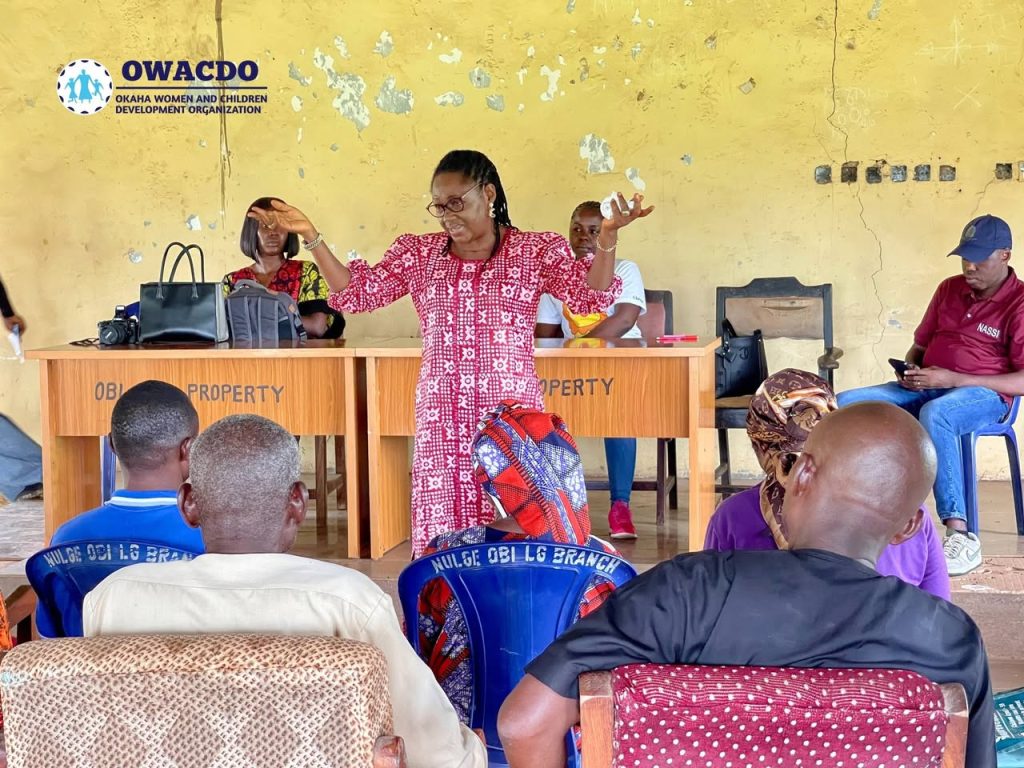
In Tarka and Gwer East, stakeholders welcomed the initiative and discussed grassroots barriers that could affect participation. In Obi, Executive Chairman Hon. Silas Odeh granted permission for direct engagement across the wards. Community leaders in Obi and Ohimini also committed to mobilising residents and sharing accurate information.
Stakeholders in Obi and Ohimini discuss how to prepare wards for inclusive social protection.
Clarifying the National Social Register process
A recurring part of the discussions was the National Social Register (NSR). The project team explained that the community-entry phase was for sensitisation and mobilisation—not direct registration. Residents were encouraged to prepare for the official process and to obtain a National Identification Number (NIN) using accurate personal information.
The explanation helped address the belief that the NSR is only a short-term cash-transfer list. Participants learned that it is a broader planning tool intended to help government and development actors identify vulnerable households, understand gaps in services and prioritise social-protection support without bias.
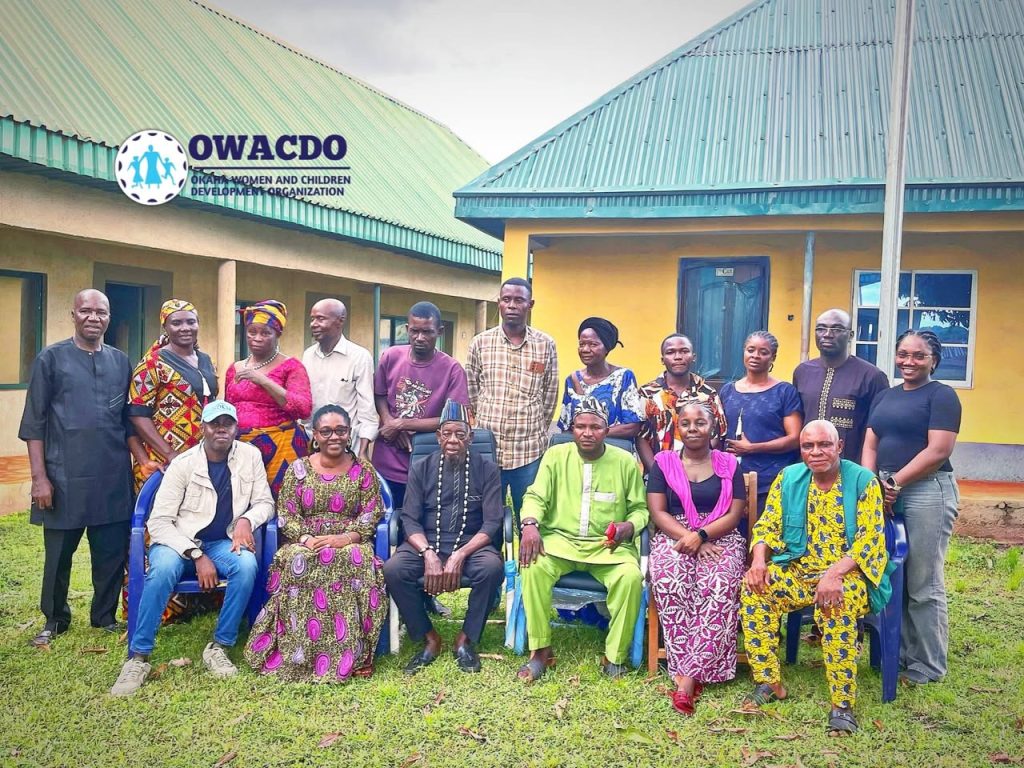
In Apa and Agatu, local desk officers Hamidu Usman and Gideon Ejechabo helped participants examine how existing and inactive community amenities could be reflected in local needs assessments. SOCU representatives also assured stakeholders that adequate notice would be given before registration activities begin.
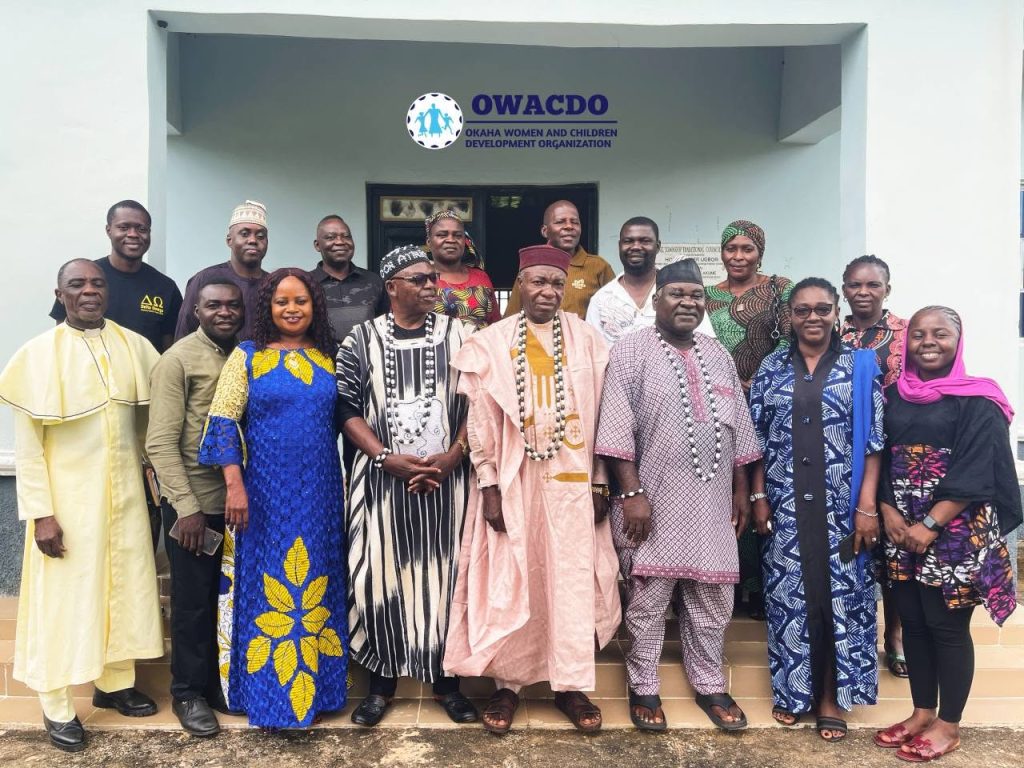
Traditional and religious leaders in Ushongo pledged transparency and cooperation throughout the project.
Local leadership commits to inclusion and accountability
The final visit took place in Ushongo, where the team was hosted at the Traditional Council Hall. District Head Zaki Alexandar Ahar, alongside Zaki Abur Nyam and Zaki Iorkongusu Kerngyor, welcomed the initiative and offered continuing support. Local clergy and other stakeholders likewise pledged cooperation, transparency and accountability.
Across all seven LGAs, the same message stood out: reaching vulnerable people requires more than a database. It depends on clear information, credible community leadership, accessible identification and sustained follow-up. These commitments provide a foundation for the next phase of mobilisation under ESSPIN and strengthen the shared goal of leaving no vulnerable household behind.