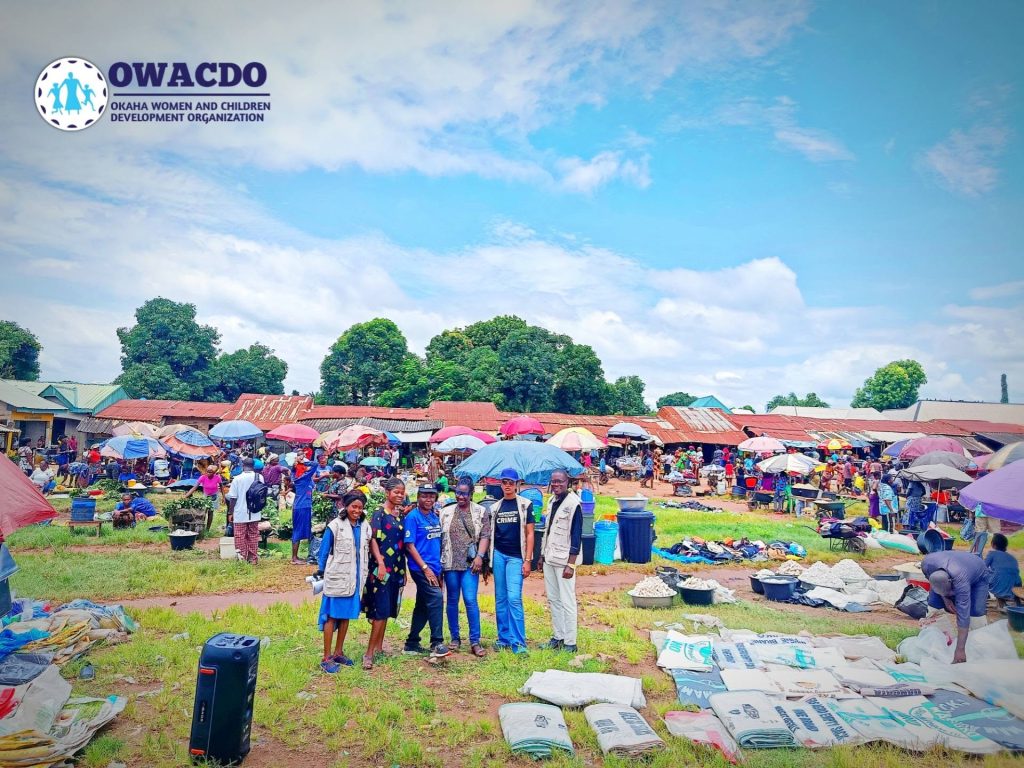
Anti-trafficking awareness at Fidi Market reached approximately 2,500 traders, customers and community members on 18 August 2026. The sensitisation programme, organised by the Okaha Women and Children Development Organisation (OWACDO), focused on recognising, preventing and reporting human trafficking and violence against persons.
Fidi Market provided an important setting for the outreach because markets bring together people from different communities and backgrounds. By taking the message into a busy public space, the programme made practical prevention information available to a large and diverse audience.
Helping communities recognise trafficking risks
Human trafficking can be sustained by misinformation, silence and a lack of awareness about how traffickers operate. Community sensitisation helps people identify warning signs, question suspicious offers and understand that timely reporting can protect vulnerable people.
During the activity, market stakeholders and other community members received information on the dangers of human trafficking and violence against persons. The engagement also promoted vigilance, prevention and prompt reporting of suspected cases to the appropriate authorities.
Community leadership and collective vigilance
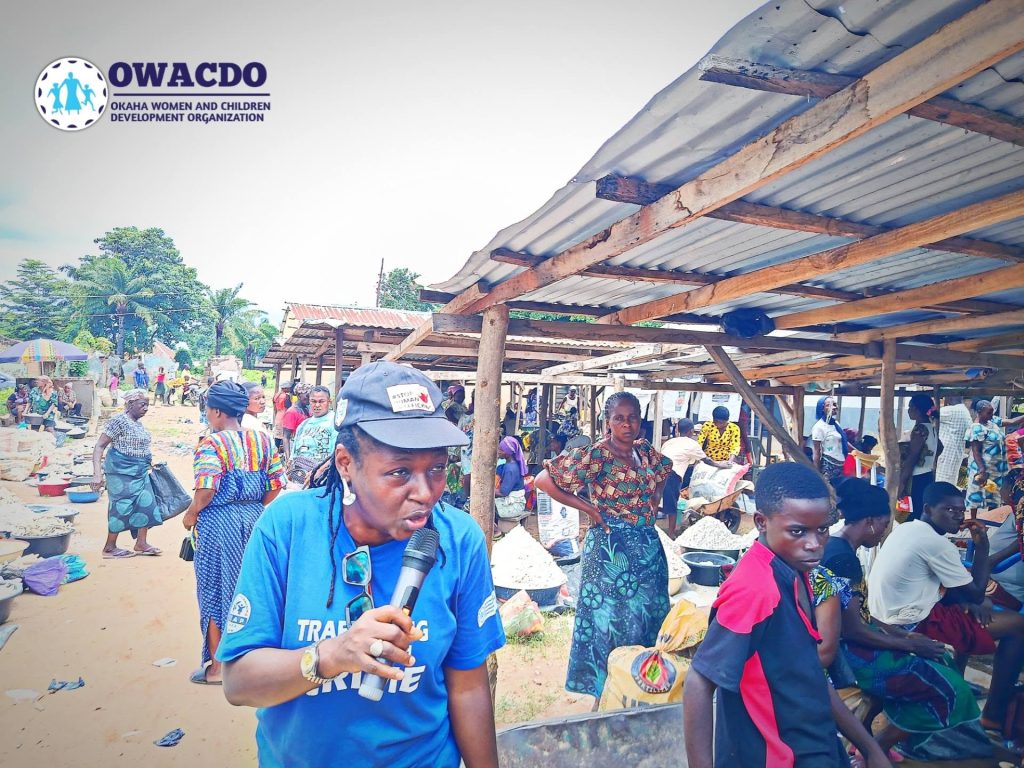
The Tor Kasuwa of Fidi addressed participants and urged members of the market community to take the message seriously. He described human trafficking as a serious concern in Benue State and called for vigilance, cooperation and collective commitment to prevent and combat the crime.
Traditional and market leaders can play a valuable role in prevention because they are trusted voices and are often well placed to notice unusual movements or changes within their communities. Their support can also encourage people to speak up instead of treating suspected trafficking as a private matter.
Dr. Joy Ijuwo, Executive Director of OWACDO, similarly encouraged community members to remain alert and report suspicious movements, activities or suspected cases of human trafficking and violence against persons. She emphasised that timely reporting can help prevent trafficking, protect vulnerable people and strengthen the response of relevant authorities.
Taking anti-trafficking education beyond schools
The Fidi Market sensitisation was implemented under the School Anti-Trafficking Education and Advocacy Project (STEAP). Although schools are a major focus of STEAP, prevention also requires the involvement of parents, traders, transporters, community leaders and other adults who influence the environments in which children live.
The International Centre for Migration Policy Development’s STEAP programme uses education and community advocacy to prevent trafficking among school-age children. The project is funded by the Kingdom of the Netherlands and implemented by ICMPD in partnership with the National Agency for the Prohibition of Trafficking in Persons (NAPTIP) and civil society partners including OWACDO.
The activity extends OWACDO’s earlier STEAP work in Benue State, including anti-trafficking sensitisation in Buruku and STEAP training in Gboko.
Prevention begins with informed communities
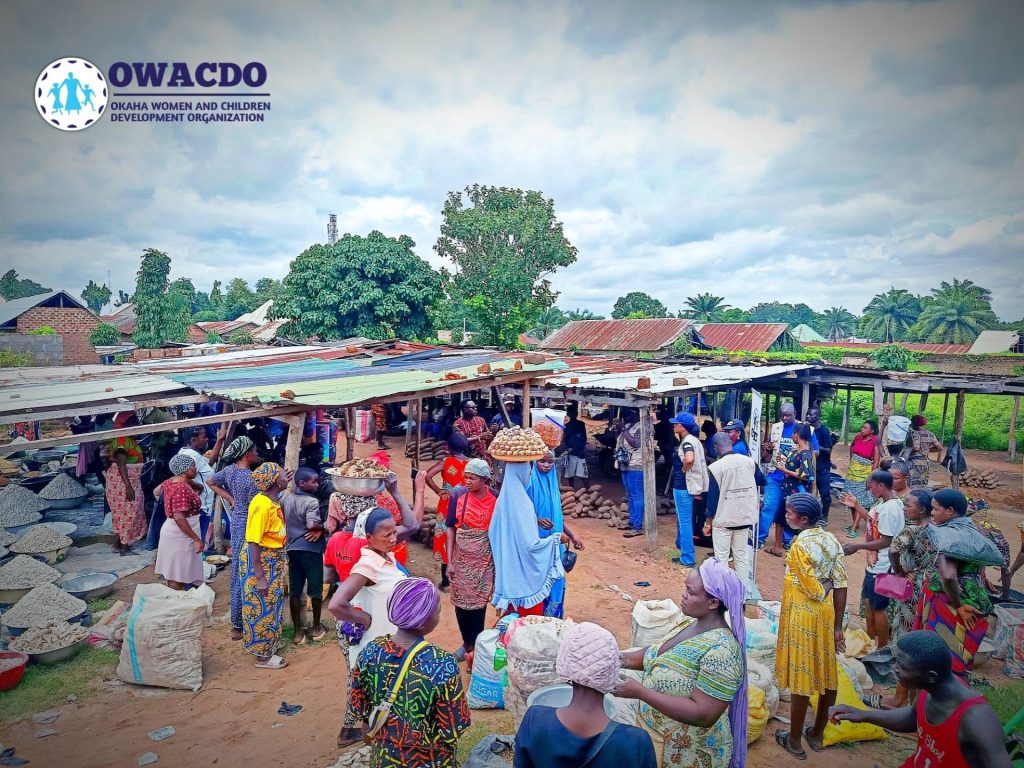
The Fidi Market outreach created an opportunity to speak directly with thousands of people about their role in building safer communities. Prevention is more effective when people know what to look for, understand where to report concerns and refuse to ignore signs that someone may be at risk.
For OWACDO, the sensitisation demonstrates the value of meeting people in familiar community spaces and turning public awareness into shared responsibility. Each informed trader, parent, customer or community leader can help challenge harmful practices, share accurate information and connect suspected cases with the appropriate response institutions.
Reaching approximately 2,500 people in one activity is significant. The longer-term value, however, will come from the vigilance, conversations and timely actions that continue after the market event.