
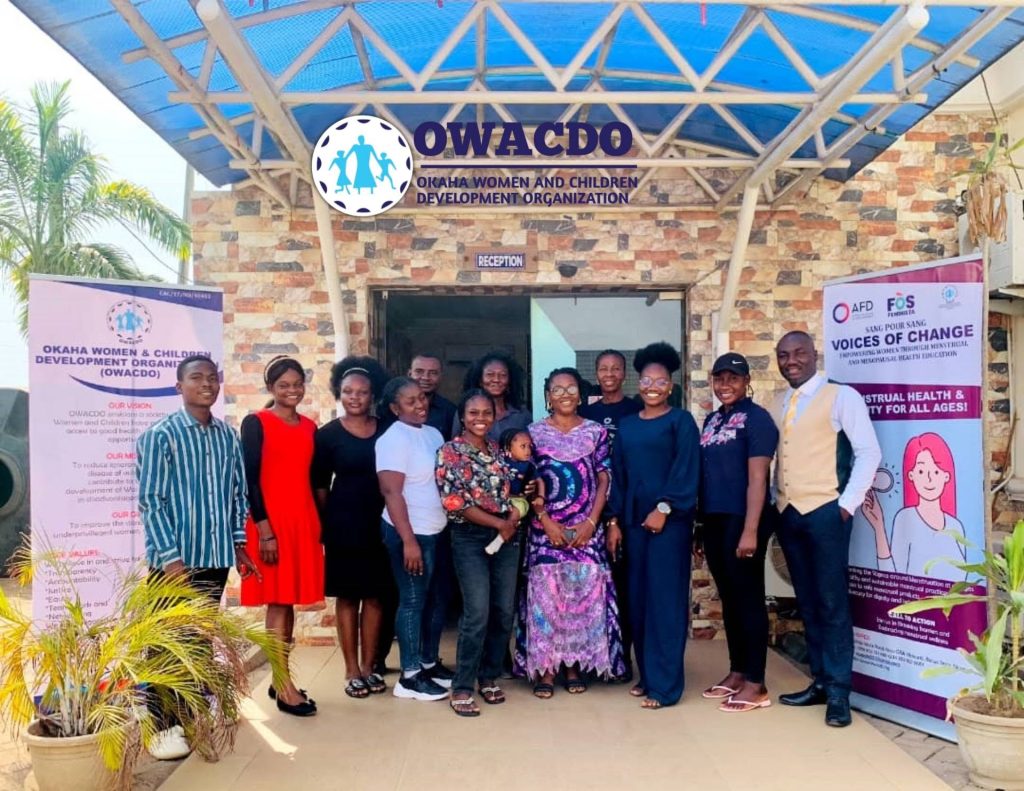
Project accountability training at OWACDO is strengthening the systems behind the organisation’s menstrual and menopausal health work. Before expanding community activities, OWACDO brought its staff and volunteers together to improve how the project will manage resources, monitor results, document learning and protect the people it serves.
Twelve staff members and volunteers participated in the two-day capacity-building programme under the Fòs Feminista-supported Sang Pour Sang – Voices of Change: Empowering Women through Menstrual and Menopausal Health Education project.
Building the systems behind community impact
Strong community programmes require more than good intentions. They also depend on sound financial controls, reliable information and a clear understanding of how activities affect different people. For this reason, the training combined four closely connected areas: financial management, monitoring and evaluation, conflict sensitivity, and the “Do No Harm” principle.
Financial management sessions focused on responsible use of project resources and the importance of connecting expenditure to approved activities and intended results. This helps the team maintain accountability to the women and communities involved, as well as to the partner supporting the work.
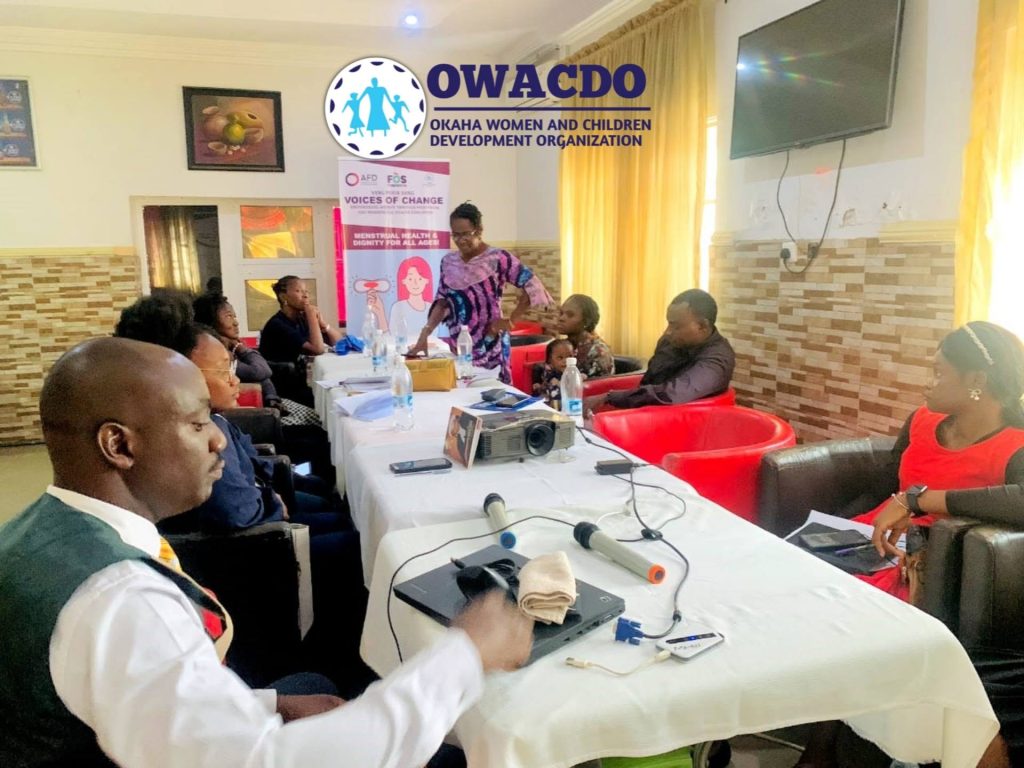
Using monitoring and evaluation to improve delivery
Monitoring and evaluation enables a project team to move beyond reporting that an activity happened. It helps the team examine who participated, what changed, what challenges arose and whether the intervention is moving towards its objectives.
During the training, participants considered how to track results and document activities consistently. They also developed draft reporting and data-tracking tools for use throughout the project. These tools will support evidence-based decision-making and make it easier to identify lessons that can improve future activities.
This focus on documentation reflects OWACDO’s commitment to organisational learning. Clear data can show where community education is working, where messages need to be adapted and how limited resources can be directed for greater benefit.
Applying conflict sensitivity and Do No Harm
Menstrual and menopausal health is influenced by social norms, family relationships, cultural beliefs and stigma. Therefore, even a well-designed activity must be delivered with care. Conflict sensitivity helps project teams understand the context in which they work and avoid unintentionally increasing tension, exclusion or misunderstanding.
The “Do No Harm” approach reinforces the need to protect participants’ dignity, privacy and safety. It encourages staff to consider who may be excluded, how personal experiences are discussed and whether project decisions could create unintended negative consequences.
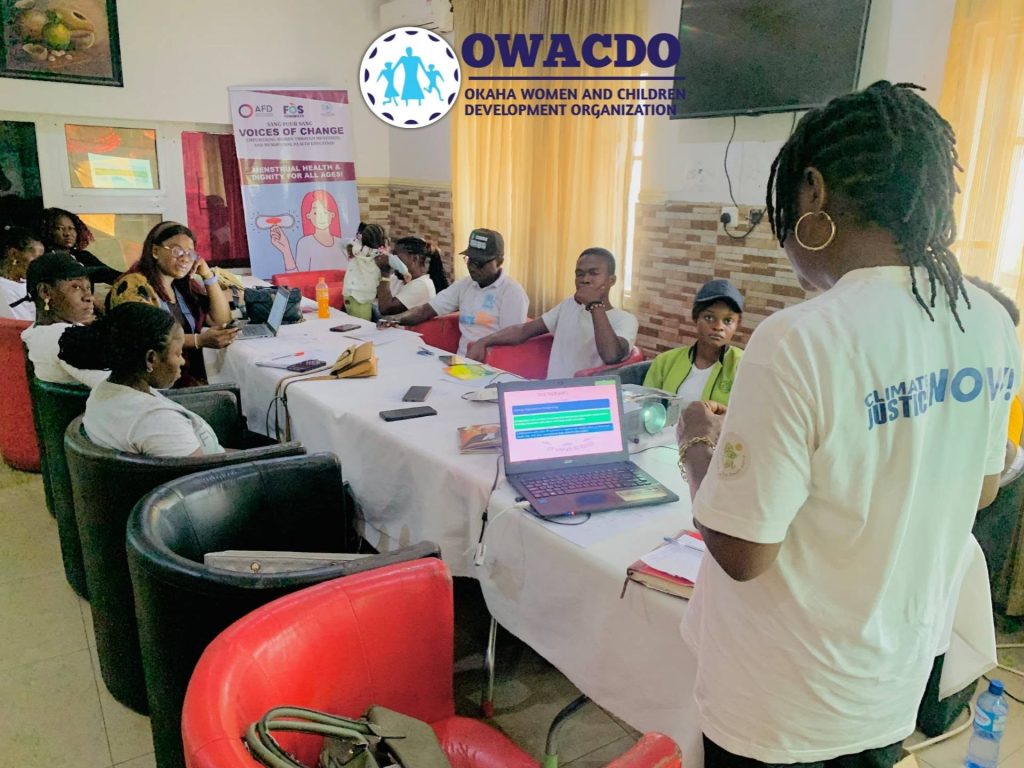
Preparing the team for responsible implementation
By bringing these subjects together, the training connected accountability with programme quality. Financial records, monitoring data and safeguarding considerations are not separate administrative demands; together, they help an organisation deliver responsibly and learn from its work.
The capacity-building programme also supports OWACDO’s ongoing menstrual and menopausal health initiatives, including its community engagement with women in Gamji and the Men’s Forum held in Makurdi.
The project is supported through Fòs Feminista, whose Sang Pour Sang initiative advances menstrual dignity. With stronger internal systems and shared standards, OWACDO’s team is better prepared to implement the Voices of Change project effectively, inclusively and accountably.
The central lesson is simple: stronger teams build stronger programmes. Investing in the people and systems behind an intervention creates a more reliable foundation for meaningful community impact.